


Written by Dr.James E. Klett
Professor Emeritus, Colorado State University, Department of Horticulture and Landscape Architecture, Fort Collins
In 2023, a revised Front Range Tree Recommendation List was developed through the collaborative effort of 16 individuals, each representing a different aspect of Colorado’s green industry. Participating organizations included American Society of Landscape Architects (ASLA), Colorado Nursery and Greenhouse Association (CNGA), municipal arborists representing Colorado Tree Coalition and International Society of Arboriculture, Colorado State University (CSU) Extension, Denver Botanic Gardens (DBG) and Colorado State Forest Service (CSFS). Based on the committee’s education, knowledge and experience, over 252 trees, not including many clones of these taxa, were evaluated and rated, resulting in a single reference list for professionals to use and share with customers or residents. The purpose of this project was to update and expand on the original list produced in 2010, which created a Front Range Tree list for use by green industry professionals based on decades of experience growing and caring for trees in the Front Range. The list is intended to assist those involved in the buying, growing, selling, selection, siting and specification of trees. The list’s ultimate goal is to promote a healthy, diverse and geographically appropriate landscape in the urban forest. These ratings apply to the Colorado Front Range, generally defined as the region from Pueblo to the Wyoming border and from the foothills to the eastern plains. The initial list of evaluated trees was based on a compilation of seven 2023 Front Range nursery catalogs, plus recommendations from committee members. The group evaluated each tree based on five different crucial factors (soil chemistry, pH, soil texture, insects and diseases, cold hardiness, and salt intolerance) and eight cautionary factors (tree wrap, sunscald, weak wooded, short-lived, transplants, leaf scorch and exposure). Three other categories (water needs, Colorado native and limited availability) were also considered. After evaluating each tree based on crucial, cautionary and other categories, each tree was placed in one of four categories or placed on a non-recommended list.
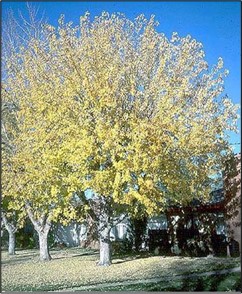
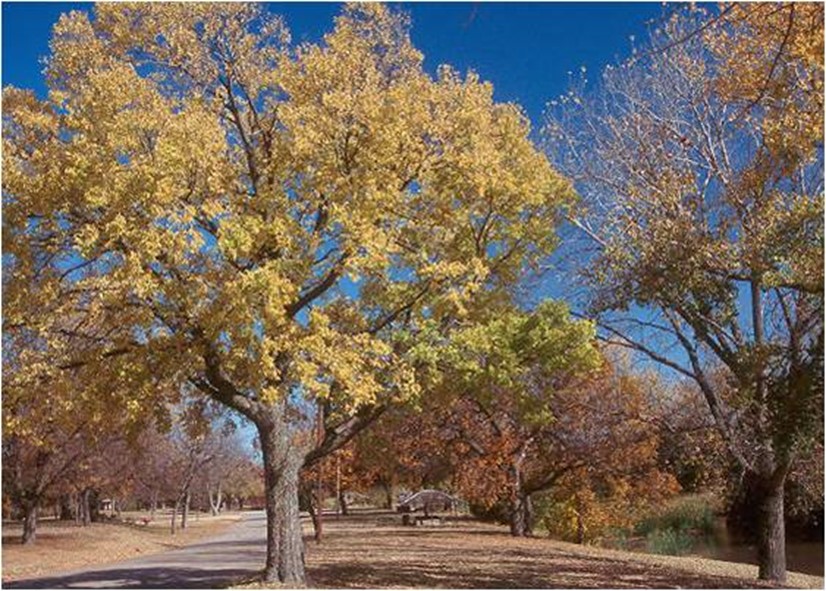
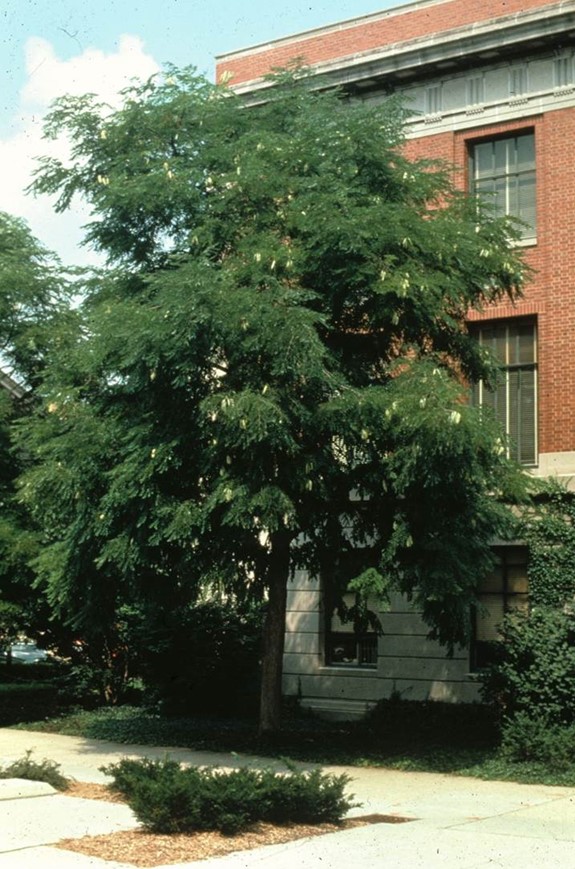
1. Recommended: tree that has consistently displayed no serious issues related to any of the crucial factors (examples: Celtis occidentalis and Gymnocladus dioicus)
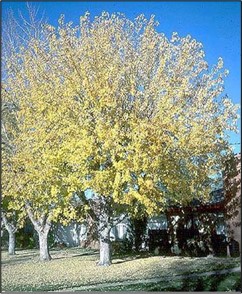
2. Recommended for Most Sites: trees generally recommended for most sites that have issue to one of the crucial factors or a cautionary problem (examples: Aesulus glabra and Ginkgo biloba)

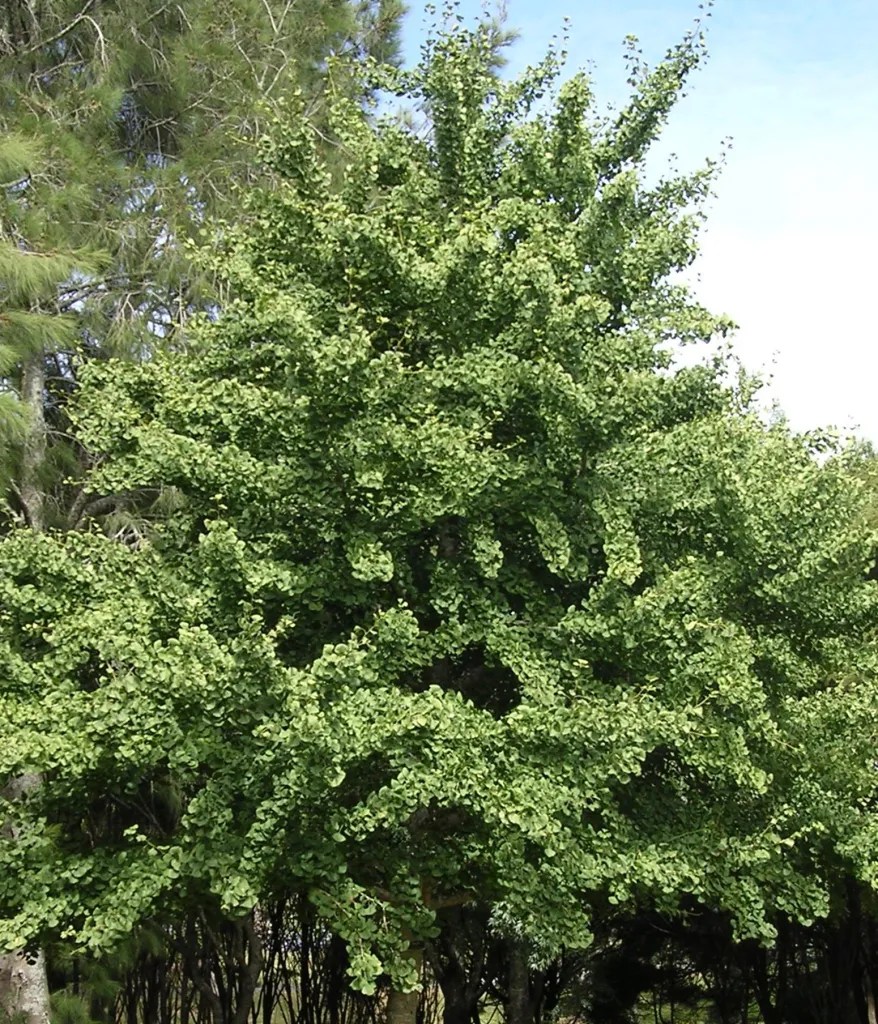
3. Conditionally Recommended: trees that have consistently displayed serious issues related to one or more crucial factors and one or more cautionary factors. Some of the factors can be mitigated through proper horticulture care (examples: Quercus bicolor and Picea omonika)
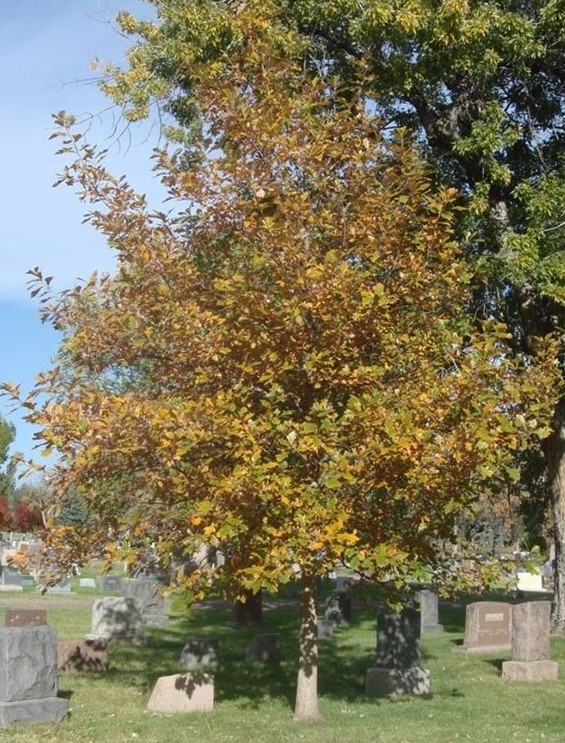
4. Trees with Potential: trees often offered for sale and have potential to do well (Zone 5 or below) but committee felt less than 10 years of experience growing and maintaining a significant population of trees in this area (examples: Acer griesum and Macluna pomifera)
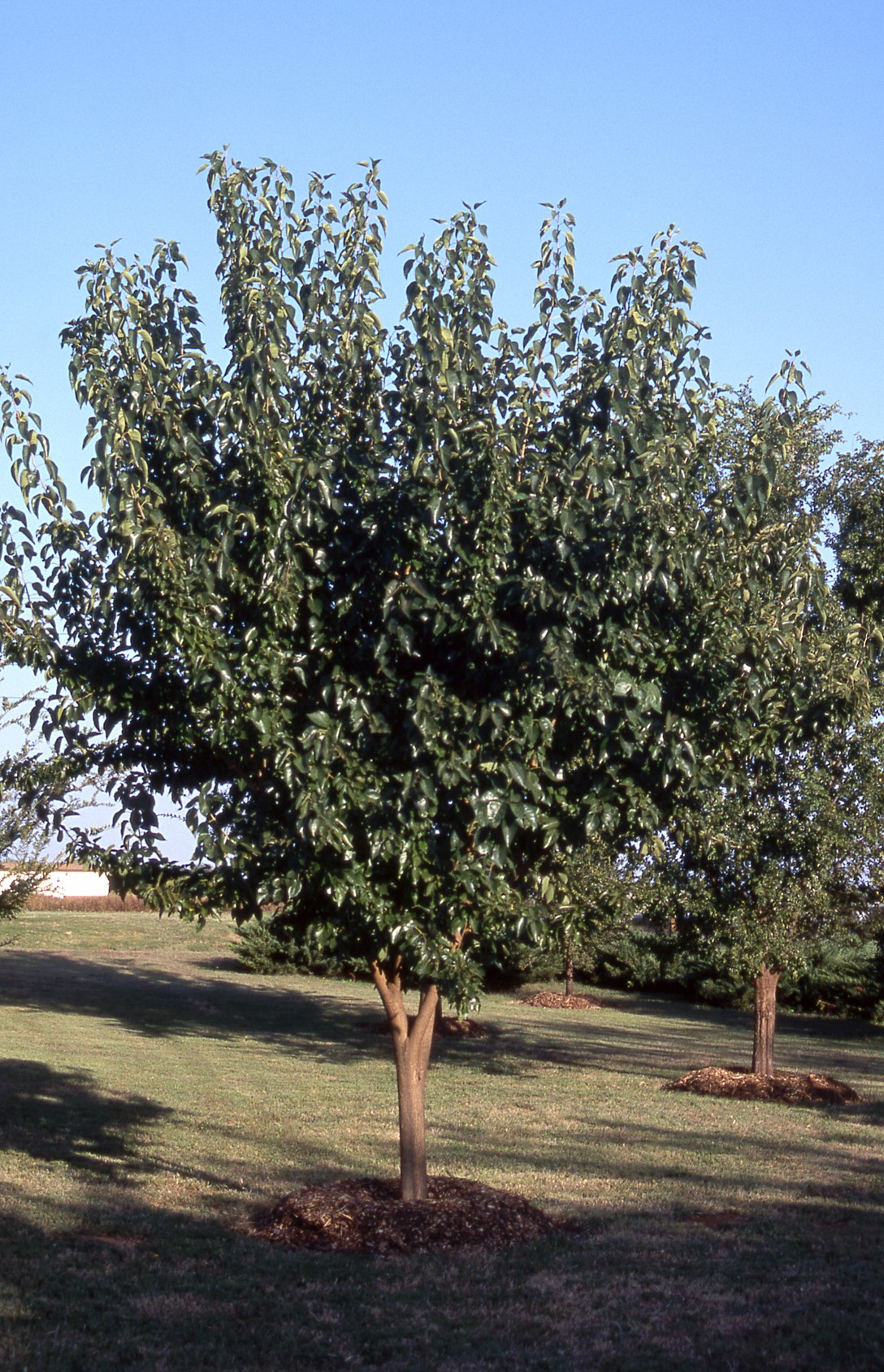
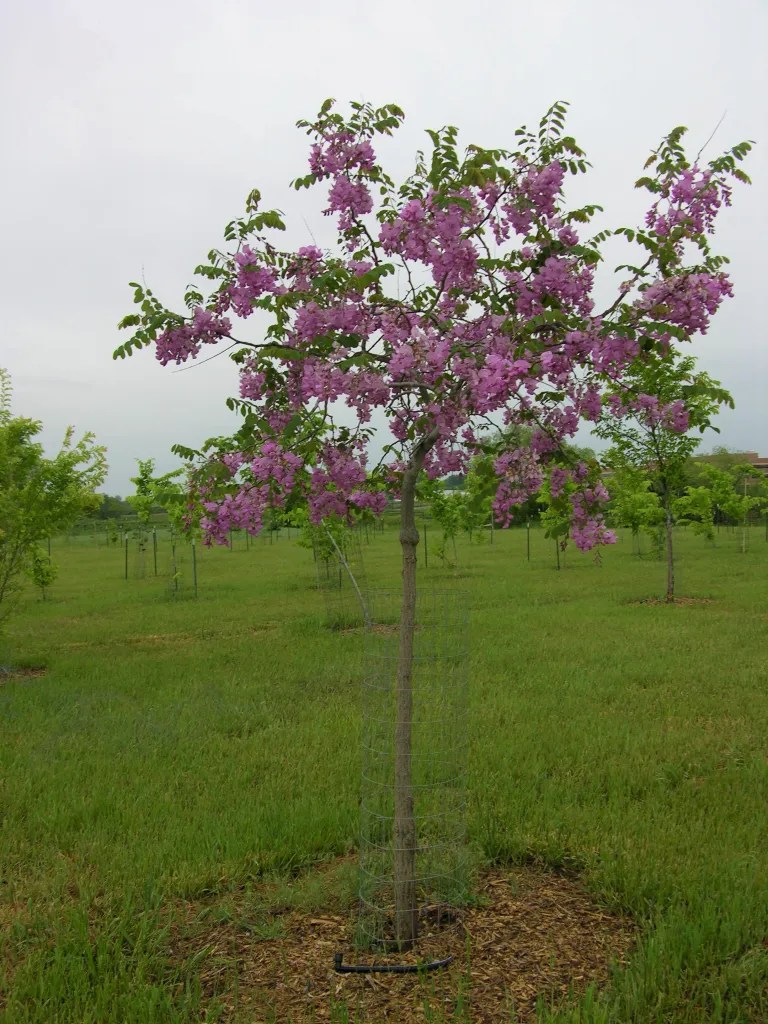
5. Not Recommended: trees that consistently displayed overwhelming issues related to several crucial factors or can be expected to do poorly under normal circumstances (examples: Acer saccharinum and Robina hybrids)
When using this list to assist in tree selection for a specific planting location, professionals should perform a site analysis relating to cultural factors, including a soil test to determine pH, soil texture and composition.
The Revised Front Range Tree Recommendation List can be downloaded from the CNGA, ASLA, CTC, ISA, CSU Extension and Colorado State Forest Service websites.
Committee Members
- Don Godi, ASLA
- Stan Brown, Matt Rudd, Keith Williamson, David Dickey and Debi Borden Miller, CNGA
- Jim Klett, David Staats, Eric Hammond, Alison O’Connor and Daniel Burcham, CSU Extension
- Luke Killoran, City of Lakewood
- Ben Rickenbacker, City and County of Denver
- Freddie Haberecht, City of Fort Collins
- Elena Shtern, Denver Botanic Gardens
- Kamie Long, CSFS
 Colorado Green News