


Written by Dr.James E. Klett
Professor Emeritus, Colorado State University, Department of Horticulture and Landscape Architecture, Fort Collins
The following shrubs have proven to be tough and reliable options for Colorado. We have observed their performance over a number of years at the Heritage Arboretum on the Colorado State University Campus, and they have shown year after year to be adaptable to Colorado’s Front Range and beyond. They are generally suited for elevations from 4,000 to 6,000 feet and have multiple seasons of interest or ornamental features.
1. Berberis x ‘Tara’ – Emerald Carousel barberry
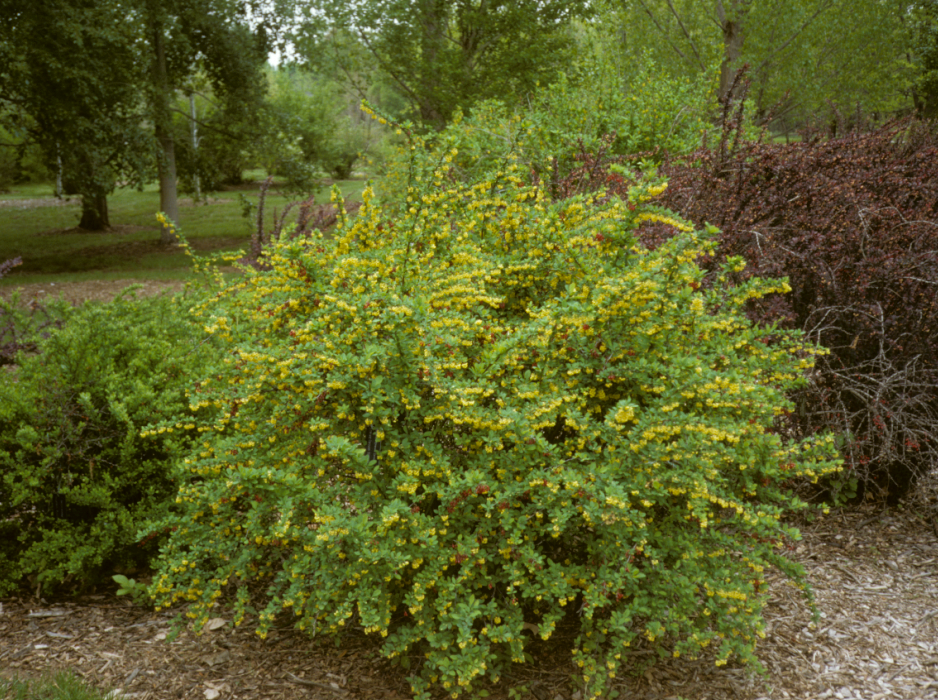
- ·This shrub is a hybrid between B. thunbergii and B. Koreana with deep green summer foliage and persisting red to purplish fall foliage color. It has a rounded growth habit with arching branches and grows to about 4 to 5 feet in height and width. It is cold hardy to Zones 4 to 6.
- Sun, xeric
- Tips and tricks – Showy yellow flowers in spring are followed by red fruit that can persist after leaf drop. Very adaptable to most soil conditions.
2. Buddleia alternifolia ‘Argentea” – Silver Fountain butterfly bus
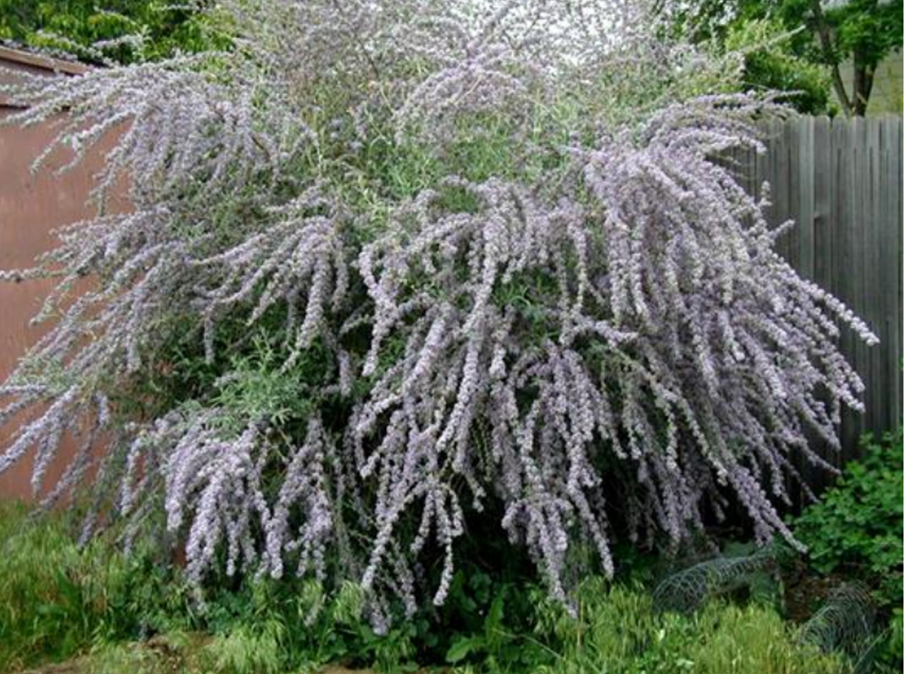
- A PlantSelect recommendation in 1998, this shrub grows about 12 to 15 feet in height and width with a fountain-like growth habit and silver-grey leaves. The lilac purple flowers bloom on previous season’s growth. Hardy to Zones 5 to 7.
- Sun, xeric
- Tips and tricks – Performs best in well-drained soil. More cold hardy and also larger than other butterfly bushes.
3. Cornus mas – Cornliancherry dogwood
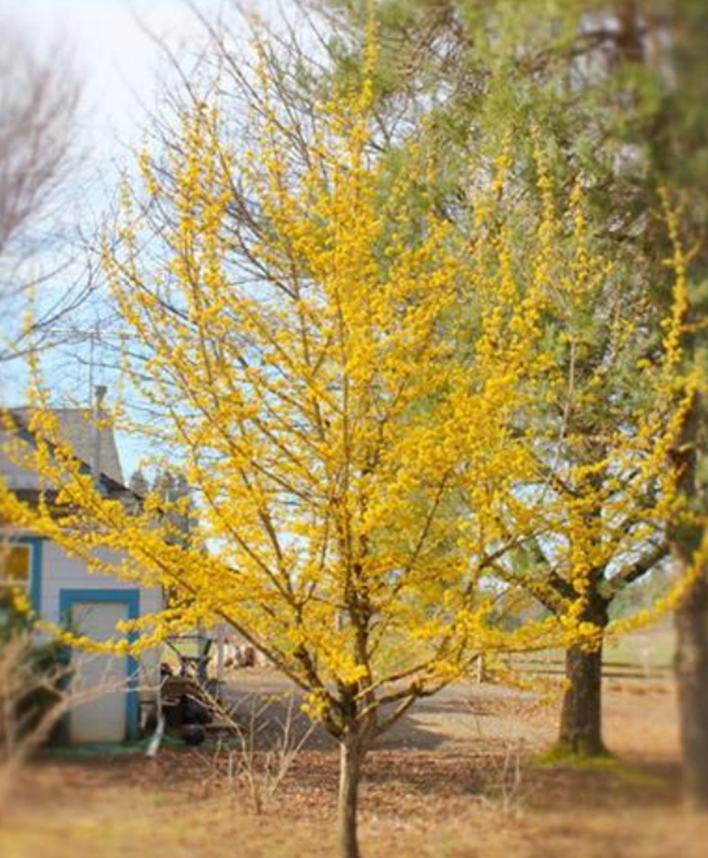
- This dogwood can be grown as a larger shrub or smaller tree, maturing to about 12 to 15 feet in height and width. The yellow flowers, which appear before the leaves in March, are often the first sign of spring. They’re followed by red fruit in August that is often sparsely produced because of late spring frosts. Hardy to Zone 4.
- Sun, xeric
- Tips and tricks – The darker green foliage with prominent venation is attractive during the summer. Prefers a well-drained soil but is quite pH adaptable.
4. Foresteria neomexicana – New Mexico privet

- This privet is a native Colorado shrub that can be pruned to a small multi-stem tree by pruning out lower twigs to display light tan to off-white bark. Small yellowish flowers appear before the leaves in April followed by blue-black fruit on female plants. It can grow 15 to 18 feet in height and width. Hardy to Zones 4 to 7.
- Sun, xeric
- Tips and tricks – This drought-tolerant shrub adapts well to well-drained alkaline soil.
5. Hydrangea paniculata ‘Limelight’ – Limelight panicle hydrangea
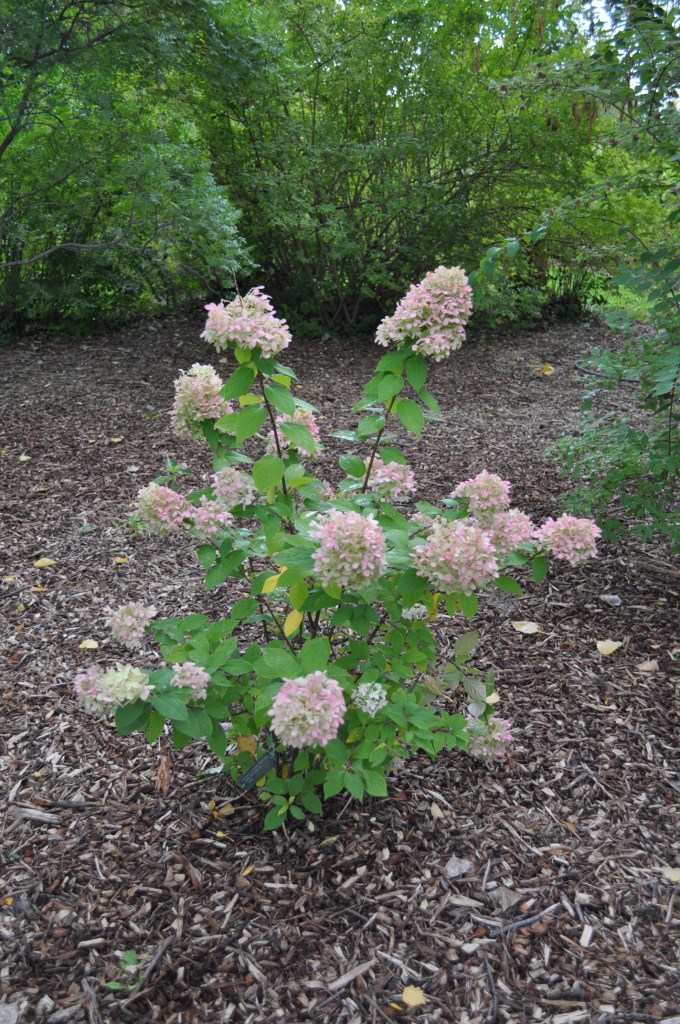
- This shrub has an upright spreading growth habit and large, dense, upright cone-shaped panicle flowers to about 8 inches wide and 12 inches long. It prefers a good well-drained soil. Cold hardy to Zones 4 to 5.
- Sun/partial shade, some extra moisture
- Tips and tricks – The mostly sterile lime green flowers look fresh and clean even in the summer heat. Fruit is ornamentally unappealing and often remove
6. Kolkwitzia amabilis (syn. Linnaea amabilis) – Beauty bush
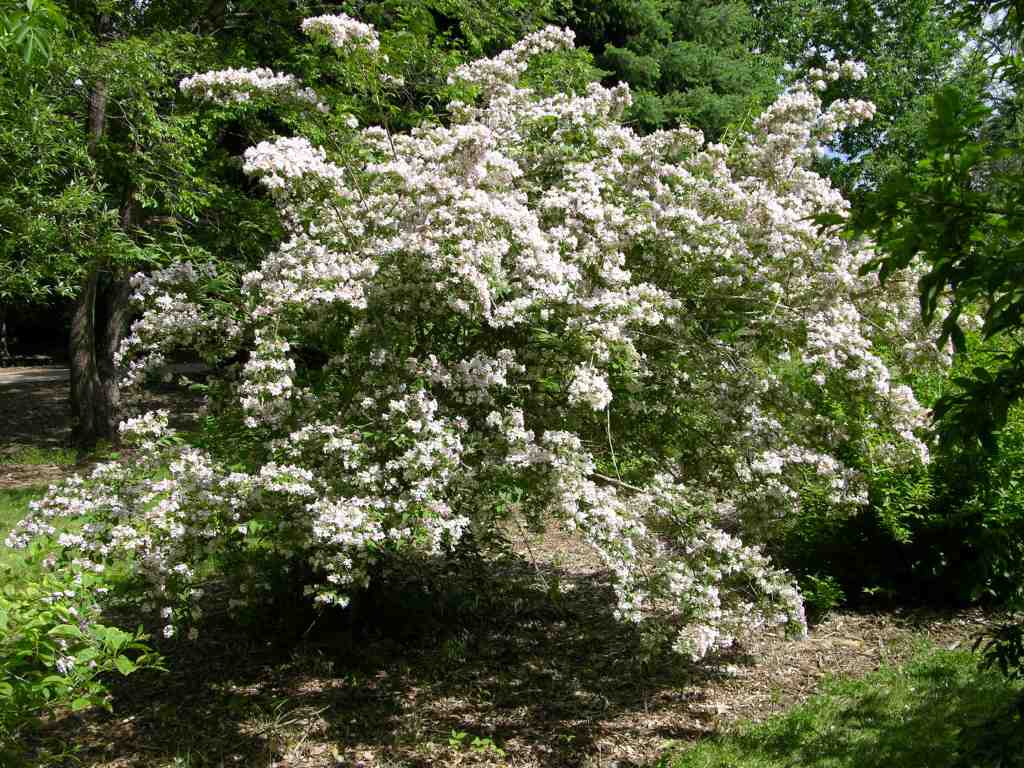
- Beauty bush gets its name from the mid- to late-spring flowers with yellow throats that cover the entire plant for several weeks. It has a very dense upright arching because of its fountain- like growth habit. The brown, capsule-like fruit persists into the winter. It is cold hardy to Zones 4 to 8.
- Sun, xeric
- Tips and tricks – The plant’s exfoliating light greyish-brown bark shreds on older stems and is quite disease and pest free. Leaves turn reddish in the fall. Easy to grow as a background or hedging shrub.
7. Viburnum burejaeticum ‘P017S’ – Mini Man Dwarf Manchuriam viburnum
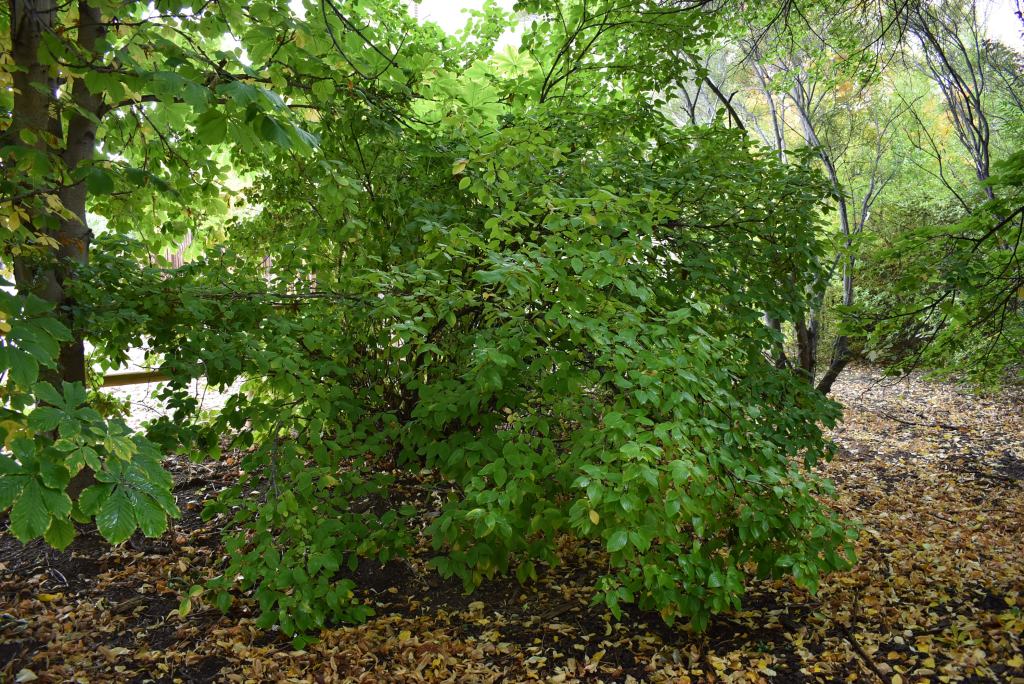
- This is a very useful dwarf shrub that matures to about 4 to 6 feet in height and width with darker green foliage that turns burgundy in the fall. It has white flowers in May that develop into persistent red to black fruit in fall into winter. Hardy to Zones 4 to 9.
- Sun, xeric
- Tips and tricks – Mini Man has good drought tolerance and is a great bird and bee shrub.
8. Viburnum x ‘Emerald Triumph’ – Emerald Triumph viburnum
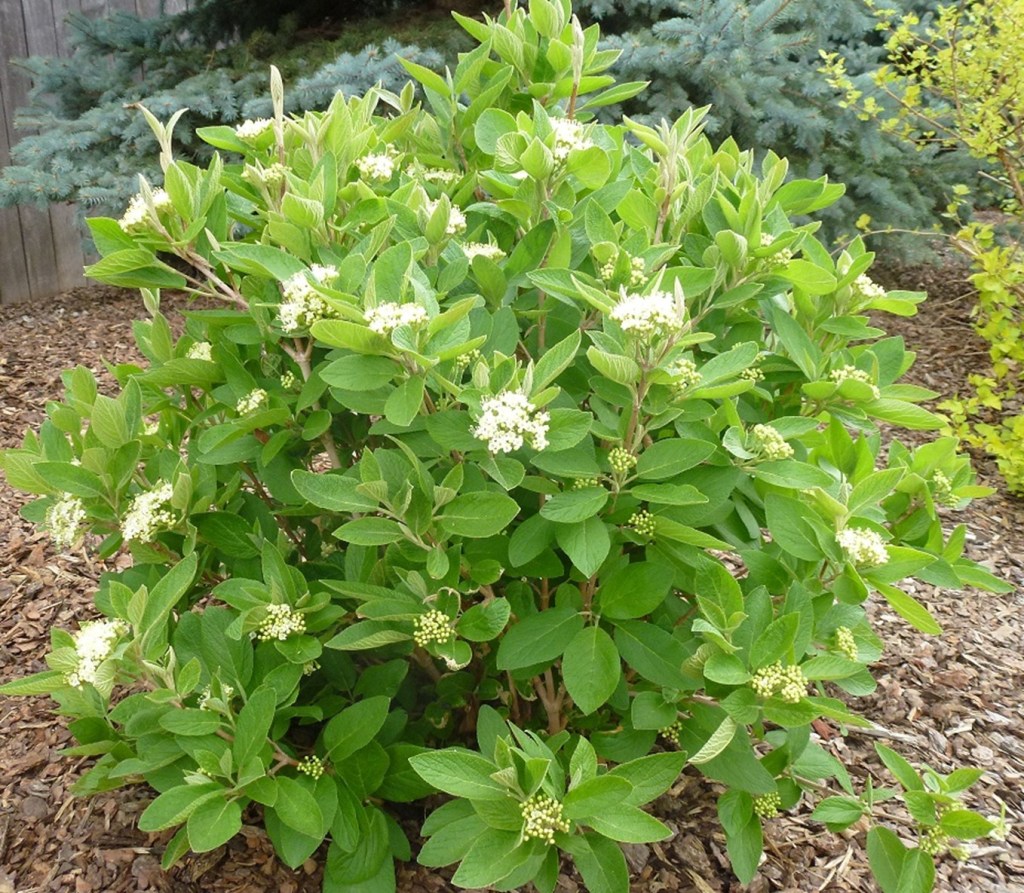
- Introduced in 1994 by the University of Minnesota, this hybrid viburnum has lustrous dark blue-green leaves that are not as textured as those of the Viburnum lantana and turn shades of yellow to rusty-red in the fall. It matures to about 8 feet in height and width. Hardy to Zone 4.
- Sun to part shade, some moisture
- Tips and tricks – Showy creamy white flowers in May are followed by sparse fruit that progresses from green to red to black.
 Colorado Green News