

Written by Colorado Green NOW
Sidewalk crew management takes a solid action plan and is crucial for maintaining clear and safe walkways during winter months. Proper planning and execution can lead to increased productivity, reduced costs, and higher customer satisfaction. Below is a list of eight best practices for companies to start working on now. Each one of these concepts has its own set of issues, but they will get you heading in the right direction for this season, regardless of the service type.
1. Route Planning
Effective route planning is the cornerstone of efficient dispatching. Utilizing route optimization software can significantly enhance the efficiency of your operations. These tools analyze various factors such as distance, traffic conditions, and job priority to create the most efficient routes for your crews. Investing in route optimization software and industry-specific software is worth its weight in gold and can help you plan the most efficient routes, saving time and fuel.
2. Crew Size and Composition
Determining the optimal crew size and composition for each job is essential for maximizing efficiency. The size of the crew should be proportional to the size and complexity of the area to be shoveled.
For smaller sidewalks or residential areas, a crew of 2-3 members may be sufficient, allowing for quick and agile operations. For larger commercial properties or extensive sidewalk networks, larger crews may be necessary to ensure that the job is completed quickly and efficiently.
Assigning specific roles within the crew, such as team leader, equipment operator, and shovelers, can improve coordination and efficiency. How many square feet do you need to cover and how soon does the client expect the work to be complete?
3. Equipment
Equipping your crews with the right tools is crucial for efficient sidewalk clearing. The choice of equipment can significantly impact on the speed and quality of the work.
Utility task vehicles equipped with plows can cover large areas quickly and are ideal for commercial properties. Push shovels are more effective than traditional shovels for clearing long stretches of sidewalk.
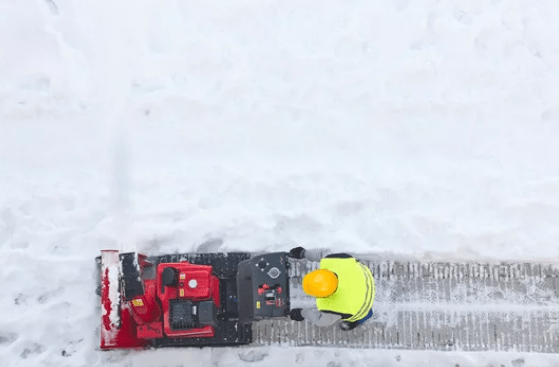
Stand-on machines are highly maneuverable and can clear snow quickly, making them ideal for both residential and commercial areas. For heavy snowfall, snow blowers can be more effective than shovels, reducing the physical strain on workers and speeding up the process.
There are now machines available that can be used to clear snow while salting at the same time, or you can salt using the same piece of equipment after the snow clearing is done.
The newer machines have come a long way, and you should explore this market if you have properties that can utilize these types of equipment.
4. Communication
Clear and effective communication is vital for coordinating your crews and ensuring that everyone is on the same page. Using mobile apps like Slack, Microsoft Teams or specialized field service management apps can help you keep in touch with your crews, allowing for real-time updates and easy sharing of information. Two-way radios can be a reliable communication tool, especially in areas with poor modern reception, or when working around high-rise city buildings that can cause cell connectivity issues.
Scheduling regular check-ins throughout the day to monitor progress, address any issues, and adjust as needed is also important for maintaining efficiency for the production manager trying to keep properties on time for your clients.
5. Training
Proper training is essential for ensuring that your crews are efficient and safe while clearing sidewalks. Ensure that all crew members are trained in the proper use of equipment, including starting, operating, and maintaining it.
Training your crews on safety protocols to prevent accidents and injuries is crucial.
This includes proper lifting techniques, the use of personal protective equipment (PPE), and awareness of potential hazards. Conduct a full review of the site maps and scope of work for each location so everyone understands the client’s expectations. Additionally, training your crews on how to interact with customers professionally and courteously can lead to positive customer interactions, repeat business, and referrals.
6. Weather Monitoring
Keeping an eye on the weather forecast is crucial for planning your dispatches effectively. Being proactive can help you stay ahead of heavy snowfall and ensure that your crews are ready to respond.
Using weather apps or onsite cameras and mini-weather stations to monitor forecasts and receive real-time updates is essential. Setting up alerts and notifications for severe weather conditions allows you to mobilize your crews quickly in response to changing weather. With enough accurate notice, pre-treating sidewalks with salt or other deicing agents before a storm can make the sidewalk-clearing process easier and more efficient.
7. Role of Technology
Leveraging technology can significantly enhance the efficiency and effectiveness of your dispatch operations.
Implementing GPS tracking for your vehicles and equipment allows you to monitor the location and status of your crews in real time, ensuring they are on track and identifying any potential delays.
Using field service management software can streamline scheduling, dispatching, and invoicing, helping you manage your operations more efficiently and provide better service to your customers.
Setting up automated notifications to keep customers informed about the status of their service, including estimated arrival times, completion notifications, and any delays due to weather or other factors, can improve customer satisfaction.
You should also keep photos of all jobs before, during, and after each service visit for future training and liability issues with your insurance company.
8. Customer Feedback
Customer feedback is invaluable for improving your sidewalk services. By actively seeking and responding to feedback, you can identify areas for improvement and ensure customer satisfaction.
After completing a job, sending surveys to gather feedback on your crew’s quality of service, timeliness, and professionalism can be useful. Tools like Survey Monkey or Google Forms can help with this process.
Having your account managers and/or your sales team place follow-up calls to key clients to discuss their experience and address any concerns adds a personal touch and strengthens customer relationships. Encouraging satisfied customers to leave positive reviews on platforms like Google, Yelp, or your company’s website can enhance your reputation and attract new clients, especially if you are heavy in residential work.
Conclusion
Efficiently dispatching crews for sidewalk clearing involves careful planning, the right tools, effective communications, and ongoing training. By implementing these best practices, you can improve the efficiency and effectiveness of your operations, ensuring clear and safe sidewalks for your customers.
Incorporating customer feedback and leveraging technology will further enhance your ability to provide high-quality service and maintain customer satisfaction.
By following these guidelines, you can create a streamlined and effective dispatch process that maximizes productivity and minimizes costs. Whether you are managing a small team or a large fleet, these strategies will help you achieve your goals and keep sidewalks clear and safe throughout the winter season. Get started now and each season forward will be more successful.
 Colorado Green News