

Written by Matt Akabane, Hughes Landscaping, Inc.
During this year’s ProGreen EXPO, I had the opportunity to present on Xeriscape design and other landscape ideas. I wanted to give new design concept ideas that could be brought back to our clients and be useful to landscape companies.
Motivational speaker Tony Robbins always says, “If you come away with 1-3 ideas, I have done my job.” We are all in this same great industry and are here to share ideas and experiences to make each other better in what we do. I want to share my experiences and give helpful tips in landscape. I want all of us to be better at what we do so that we can help our clients. If our clients are happy, then we can receive future referrals and, in the end, make more money for our companies.
Topics to discuss:
- Creativity in design for xeriscape
- Using drought-tolerant plants/perennials and trees
- Creating destination points in landscape
- Creating focal points
- Rock vs mulch
- Designing landscape lighting and boulders
Creativity in design for xeriscape is how you can design topics 2 through 6 together and come up with a beautiful landscape for your client. If you follow all the above steps, I am confident that you will be pleased with your outcome. The purpose of xeriscape is to conserve water, limit maintenance and provide you with great drought tolerant plants.
My top drought tolerant plants/perennials to use in Colorado are Yucca’s, varieties of Juniper, Agastache varieties, Kniphofia “red hot poker”, Nepeta “catmint”, Berberis, Crimson Pygmy or Rosy Glow. These plants are great for foliage color and texture, color, layering, and evergreen.
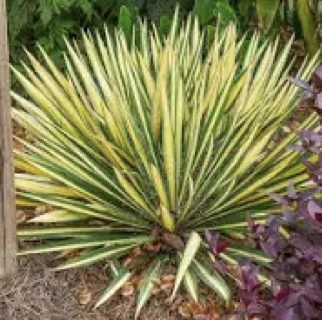
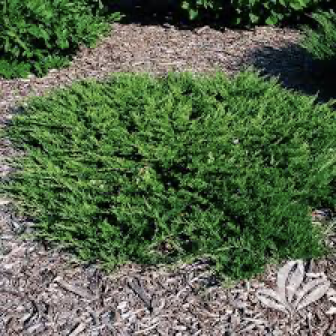

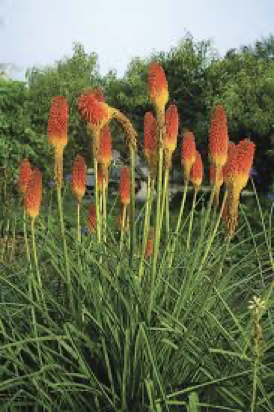
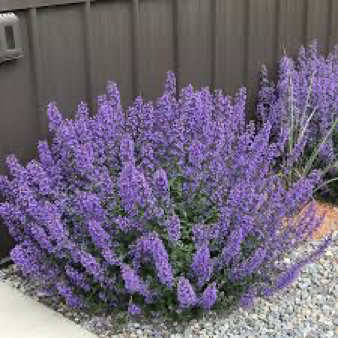

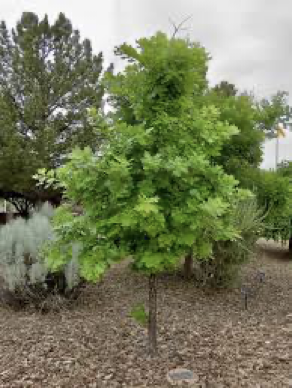
Top five tree picks are Gleditsia “honey locust”, Crataegus “hawthorn”, Pinus Ponderosa, Celtis Occidentalis Hackberry, Quercus Gambelii “Gambel Oak. Using these types of trees helps with water consumption and maintenance costs for the future.
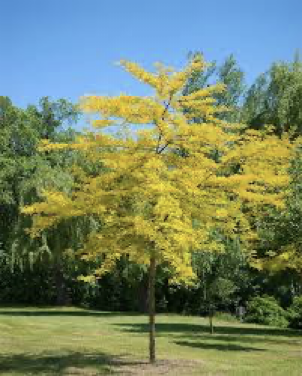
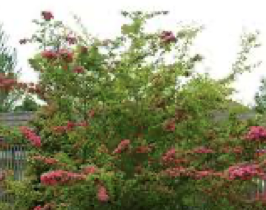
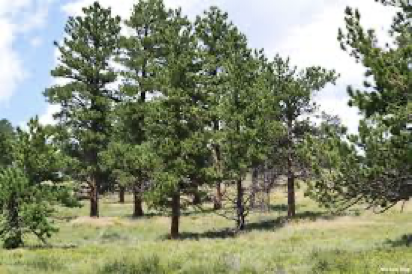
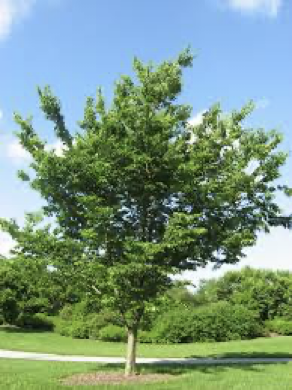
Creating destination points in the landscape can be a fire pit area, extra seating areas, pergola structures, putting greens, and any type of outdoor living space besides the main patio.

Creating focal points in the landscape, you can make berms with trees and perennials, install water features or fountains, garden art, planters, and any other type of visual interest.
When you need to create a scene and set spaces apart, a focal point works to define an area and make it distinct from what’s around it. Focal points create the organization or “information chunks” that we need to understand a space. It’s a dominating feature in a space – the first thing you notice when you glance over. Focal points create a starting point – a way to organize things. And we need this!
Our brains do not like too much information all at once, and we are hard-wired to break up information into a size that we can handle. This is why phone numbers in the US have 7 digits but use a dash to separate the number into smaller pieces. This is why your credit card number isn’t a line of 16 digits but instead is made of 4 groups of 4. Chunking and grouping information helps us learn and retain information. Breaking things into smaller pieces helps us, and giving some direction and order helps even more. We use focal points all the time: in our outfits, in food presentations, and photography. Each time, we’re focusing attention on a particular place and then using it as a starting point to see the rest of it.
Rock vs mulch areas in a landscape can be beautiful. It adds texture and color. Different shades of rock around landscape area. Different color rock brings another texture and color to a landscape. Using different colors of mulch around trees and planting areas helps to keep moisture in the soil. Black mulch and brown mulches are excellent color schemes. Using different color mulches helps to complement the house and other color schemes for the design.
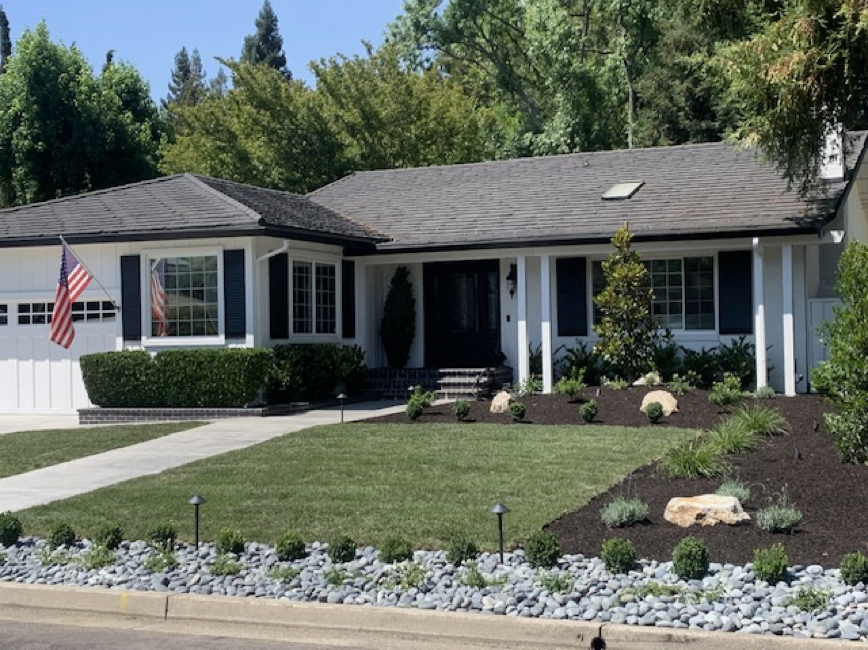
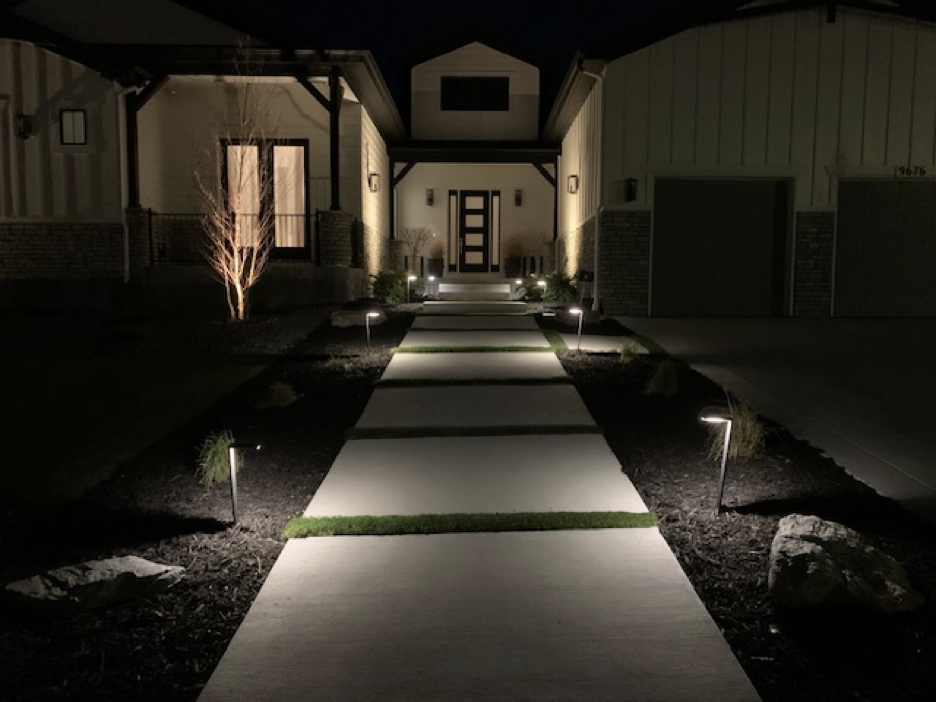
Designing in landscape LED lighting and boulders are accessories. Landscape lighting brings a beautiful ambience to the landscape at night, highlighting trees and pathways. You can use inexpensive fixtures to keep the cost of the project low. Boulders add accent texture and color to a landscape. It also takes up space where plants would grow. Boulders also offer another texture and color to the landscape.
My dad always told me from a young age that you need to create “balance and continuity” in landscape. This means bringing balance to a landscape, so if you have boulders or plants (that bloom) on one side of the yard, you should use them on the other side of the yard. It relieves the hodge-podge look. If your clients love purple and white flowers, you should have them blooming in all areas of the yard. Grouping plants in odd numbers has a lot of impact on the landscape. Choosing a color pallet is always a great way to keep continuity of color in the landscape – warm vs pastels.
Sod – Kentucky bluegrass vs Dog Tuff – Kentucky bluegrass is great and has been around in Colorado for ages. It has been a “go-to” sod. The only thing to think about going forward is the amount of water consumption. Sod Guy has a new product called Dog Tuff which is drought tolerant. It is sold in plugs, uses less water, and requires less mowing. Dog Tuff is a Bermuda grass blend recommended by the Denver Botanic Gardens and CSU. It will do great in full sun and takes about 10-12 weeks to get established. Another great attribute of Dog Tuff is that it doesn’t show dog urine. You never have to mow if you don’t mind the wavy mounding type of grass. Once established, you only have to water 2-3 times per month.
Creating new landscape ideas can be daunting as the years in this industry continue. Working together and sharing ideas is a great way to better our portfolios. We are all working together and sharing ideas helps our industry to become better in what we do. We can always evolve with industry trends and new materials to use in designing landscapes.
Hope to see everyone at ProGreen EXPO 2026!
From the author Matt Akabane
I am the operations manager for Hughes Landscape here in Parker. I have been in the industry for over 40 years. I started in a family business back in 1979. My parents opened a retail/wholesale nursery in Danville, California. I studied plants and landscape design through my dad, who was a landscape architect. I graduated from Cal Poly in SLO back in 1995. I received my landscape license in California and owned my own landscape company. In 2006, I was fortunate to be a designer for HGTV for 6 episodes. In 2022, I moved here to Parker with my family and was blessed to find a great company to work for in Hughes Landscape. Kurt Hughes & Gary Longwell hired me to help with design and sales. My company is also a member of the ALCC. From 2023 to the present, I have been blessed to participate and represent the ALCC on the Denver Channel 7 & 9 garden episodes. I also have helped the Denver water district with their online videos. My company also has an SLM certification through the ALCC.
 Colorado Green News