

The Foundation of Successful Landscaping
Written by AVSeeds
In the world of landscaping and land management, the seeds you choose can make the difference between a thriving, sustainable landscape and one that struggles to establish and maintain itself. Whether you’re restoring habitat, managing a property, or running large scale seeding projects, selecting the right seeds and the right supplier is key to long term success.
What to Look for in a Supplier and How to Build a Partnership
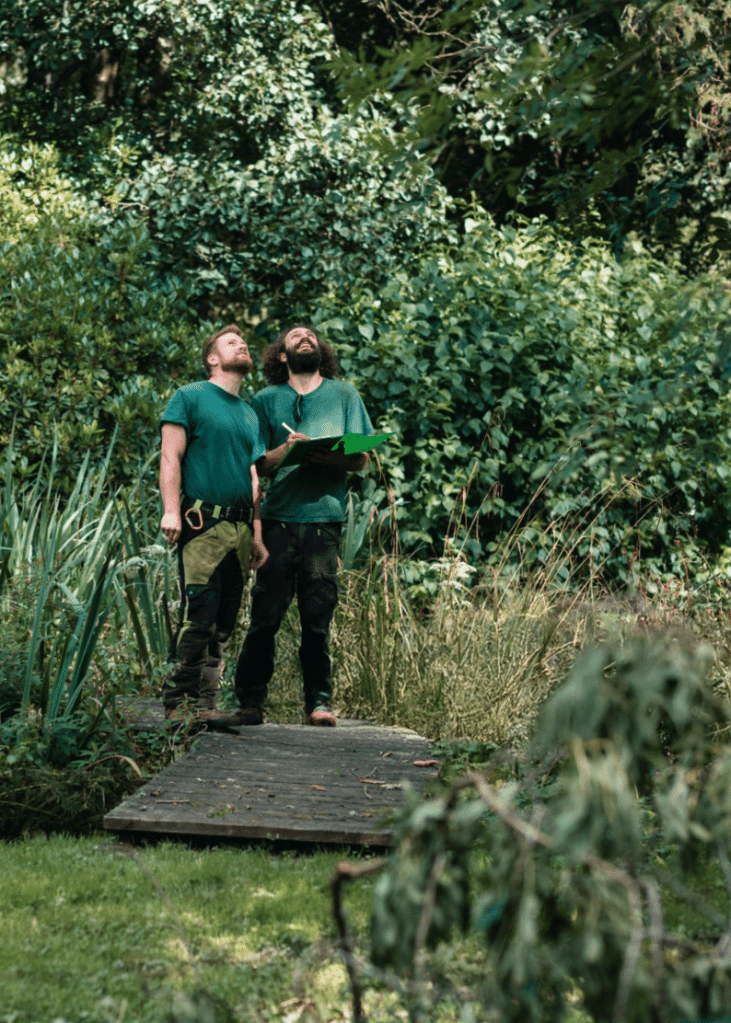
The best landscaping outcomes start with strong partnerships rooted in expertise, reliability, and communication. A quality seed supplier is more than just a vendor. They are a knowledgeable partner who understands your regional growing conditions, site challenges, and long-term goals.
Look for suppliers who:
- Bring years of experience with native and adapted species
- Maintain consistent inventory and fair, transparent pricing
- Offer guidance on timing, seeding techniques, and troubleshooting
These suppliers work with projects of all sizes and can simplify the ordering process with flexible options. Whether you’re managing a few acres or many, success starts with a collaborative relationship built on clear communication about your site’s conditions, goals, and budget.
The Bigger Picture: The Foundation and Ripple Effects of Smart Seeding
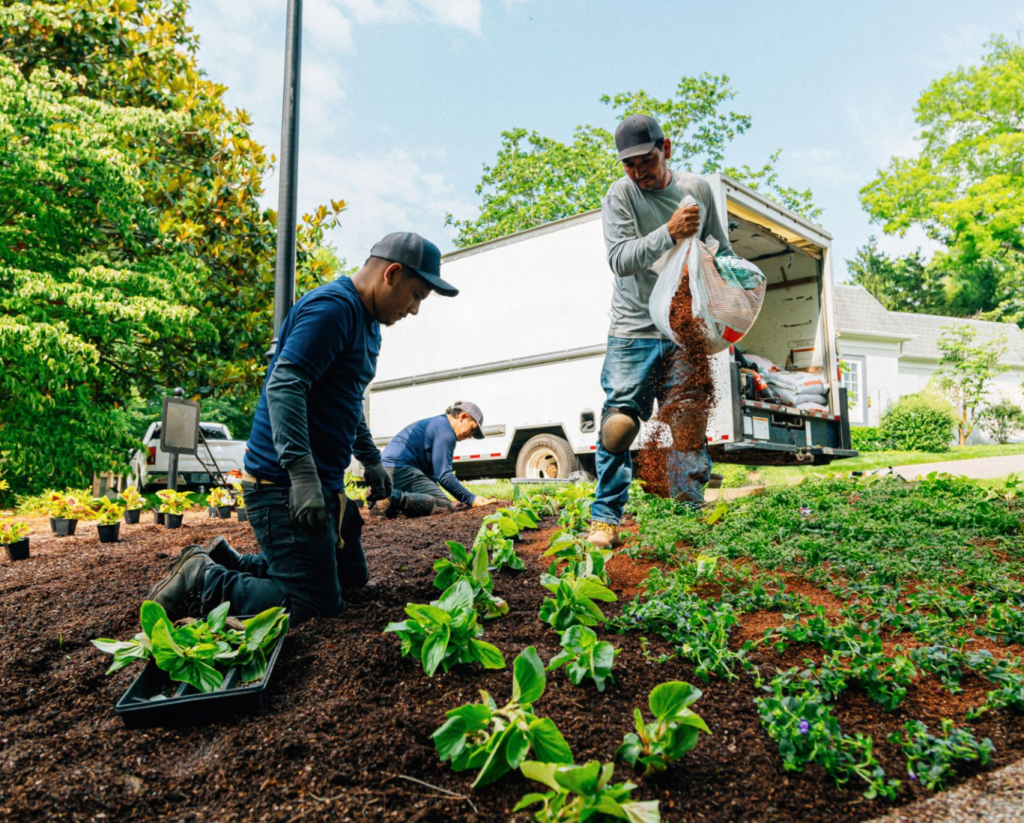
Smart seed selection sets the stage for long term landscape health. The right species help reduce the need for ongoing maintenance, lower costs over time, and create landscapes that are better suited to local climates and environmental stressors. Working with experienced suppliers helps avoid establishment failures, supports successful germination, and ensures your investment delivers lasting results.
These benefits do not end at the soil line. From better erosion control to thriving wildlife habitats, quality seeds create ripple effects that extend across ecosystems, making your projects more resilient and more sustainable.
The Environmental and Economic Case and What Comes Next

Smart seeding is both a cost effective and environmentally sound strategy. Native and regionally adapted plants require fewer inputs, support biodiversity, and improve soil health. And while premium seed mixes may carry a higher upfront cost, they lead to lower maintenance needs and fewer replacements over time, saving money and resources in the long run.
As sustainability becomes more central to land management, choosing the right seeds and forming trusted supplier partnerships will only grow in importance. Smart seeding is not just about planting today. It is about investing in landscapes that last, support the planet, and work best for everyone involved.

 Colorado Green News