

Written by Daya Stevens
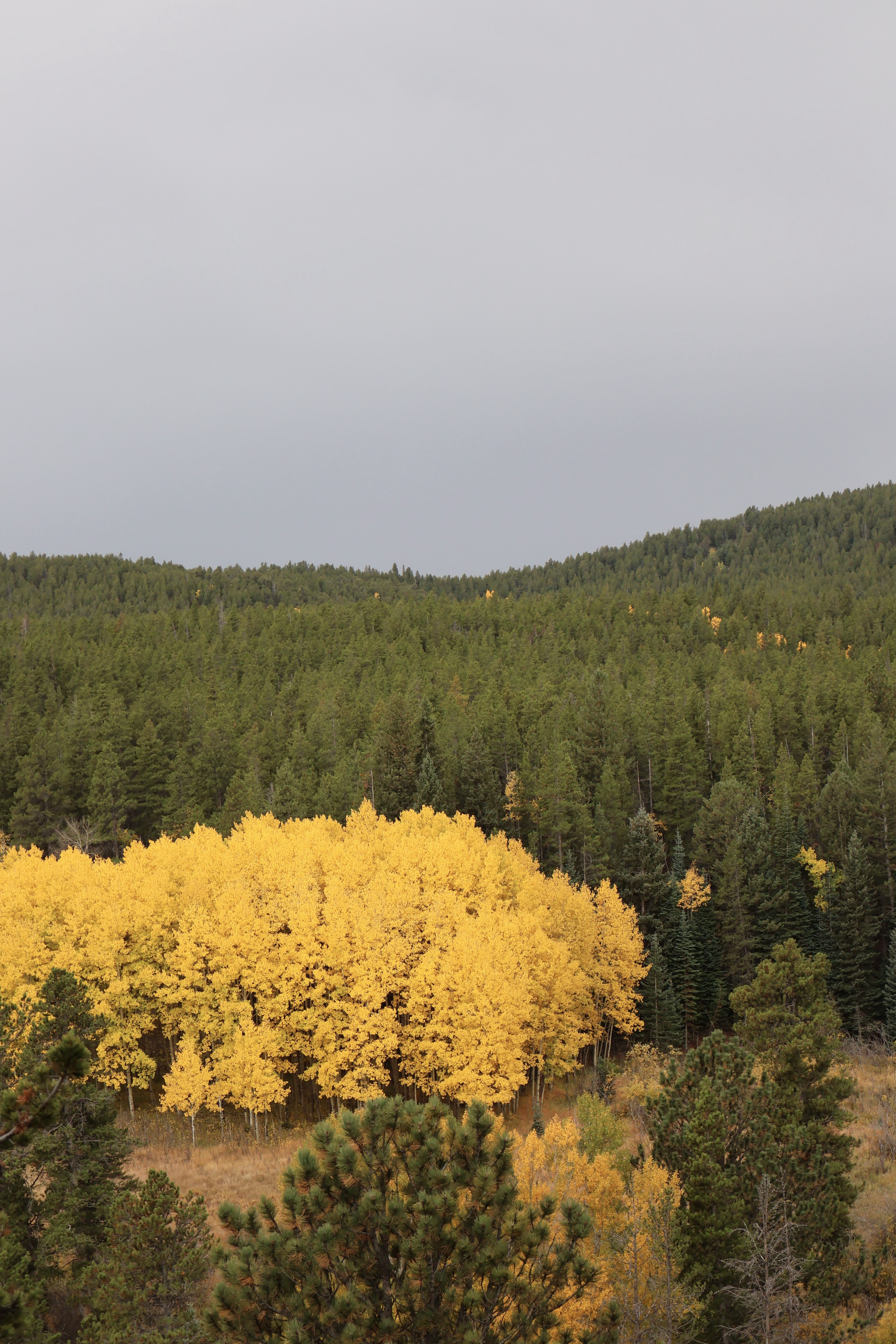
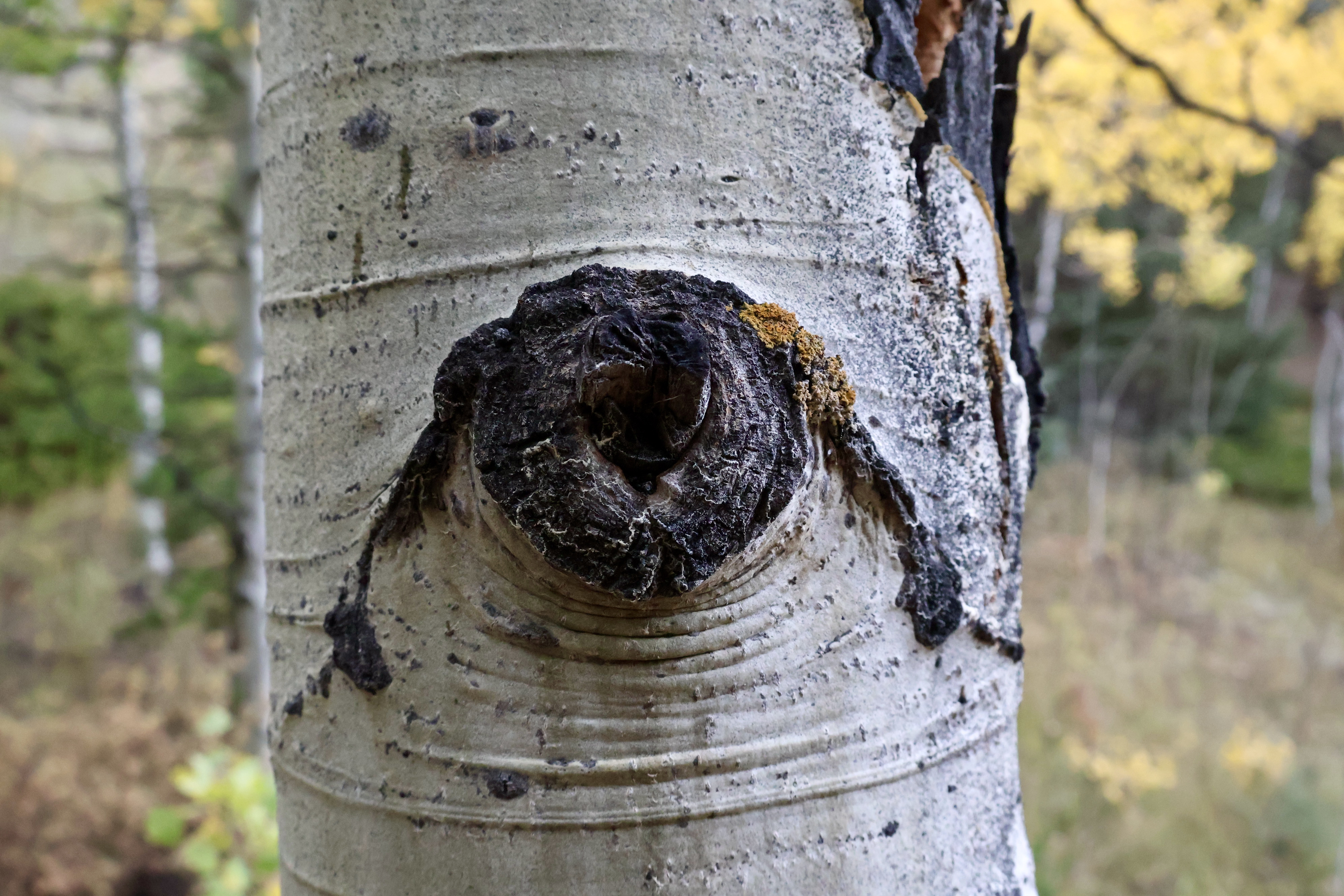
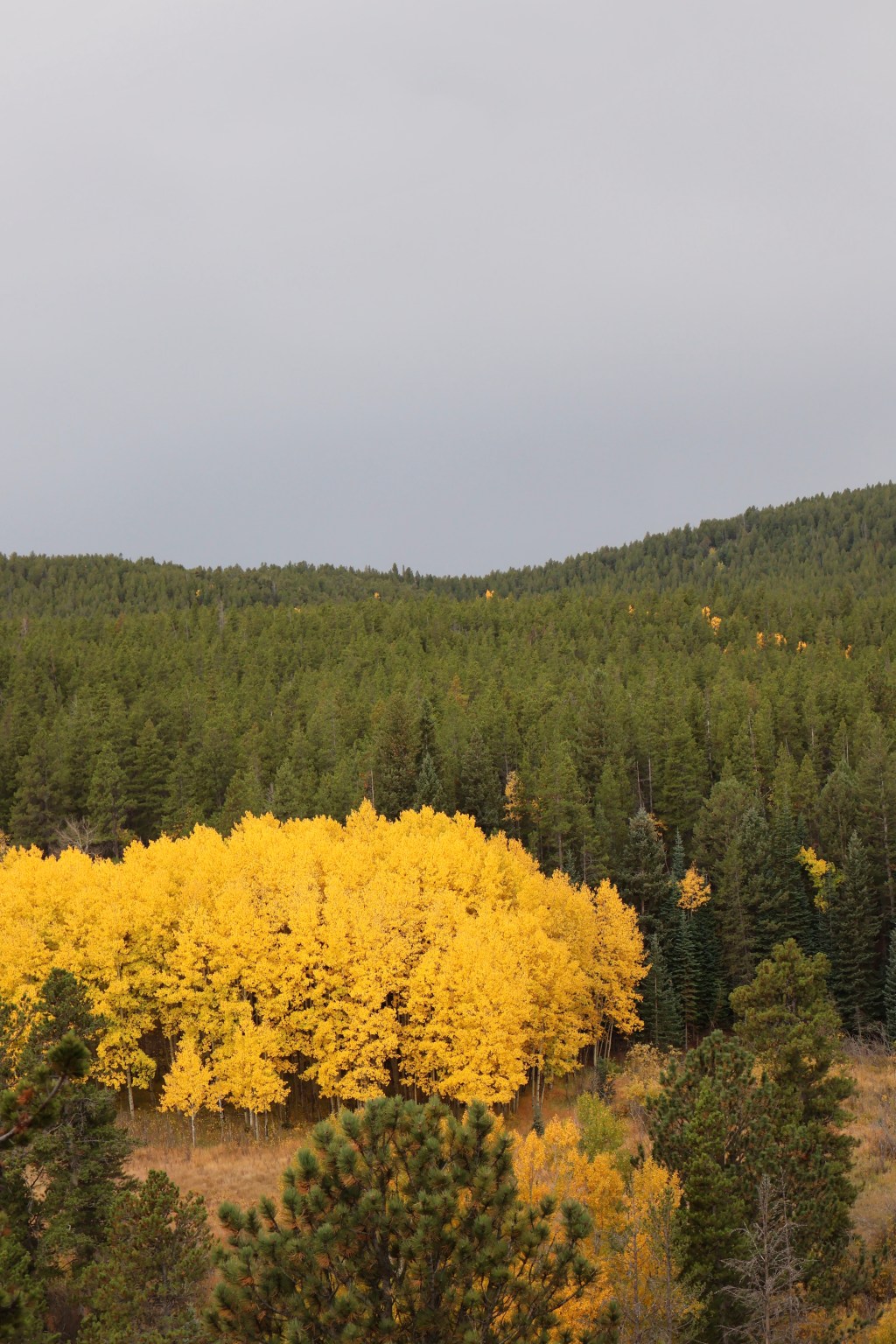
Bark Ranch, Colorado. Pictures taken by Daya Stevens
There is something surreal about standing in a grove of aspens in the fall. Their leaves shimmer like gold coins in the wind and their pale trunks appear to be staring at you with eye-shaped knots. And just for a few weeks each year, patches of the Colorado mountains glow amongst the evergreen trees.
This beautiful contrast only happens around fall time, though. Around the autumn equinox, September 22 for the year 2025, the green leaves of aspens start to turn into a vibrant yellow, leaving a striking glow in the Colorado mountains.
How does this happen?
As fall approaches and the days get shorter, aspens are exposed to less sunlight, which in turn decreases photosynthesis. The main driver of photosynthesis, a group of chemical compounds called chlorophyll, turn sunlight into energy and reflect the green wavelengths of white light giving leaves their green pigment. But, as photosynthesis decreases, and less green light is reflected, the leaves’ natural fall colors can shine through.
So really, the fall foliage we see is the trees’ true colors, and we simply can’t see them in the summer due to chlorophyll reflecting so much green light.
So why don’t all trees turn yellow? Why are some red or orange?
Carotenoids and anthocyanins are pigments within leaves that are responsible for the brown, orange, and red colors a tree or plant may exhibit. Many factors, like concentration, configuration, and environmental conditions, affect how carotenoids and anthocyanins display their color. Which explains why certain plants reveal deep oranges or dark reds.
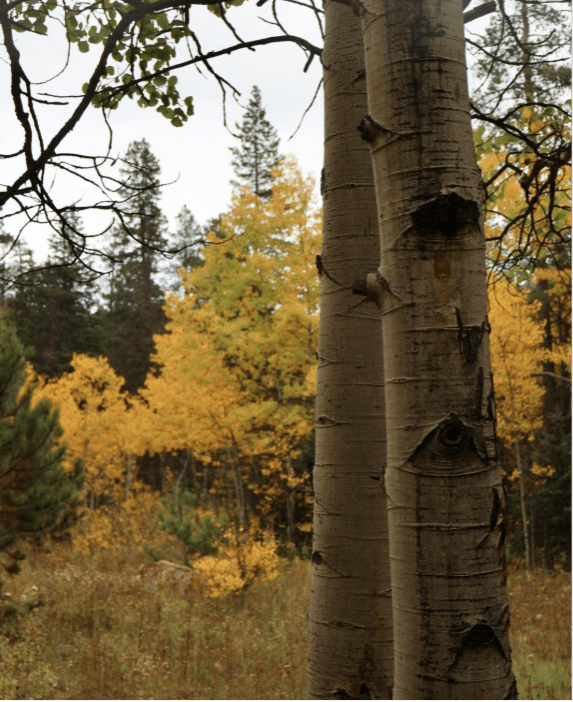
Evergreens (often neighboring aspens as shown in the photograph above) do not change color. Or at least, they appear not to…
Evergreens have a waxy coating on their needles, allowing them to retain water and sustain the production of chlorophyll throughout the winter. This makes sense as to why evergreens withstand snowy winters while other trees, due to harsh temperatures and snow, freeze and drop their leaves.
Although evergreens are more durable, their needles don’t last forever. Every 2-10 years, old needles are replaced by new ones. This process is very similar to other trees, with the browning and dropping of leaves, but since it is gradual, it is not as noticeable.
Aspens choose a different path than evergreens. Their transformation is brief but spectacular – drawing us back to the mountains each year and beautifully reminding us of the impermanence of autumn.
Make sure to head into the mountains and check out the aspens while they are still yellow!
References
- The Old Farmer’s Almanac. First Day of Fall / Autumnal Equinox. Retrieved from https://www.almanac.com/content/first-day-fall-autumnal-equinox
- Colorado State University, Colorado Forest Service. Aspen Fall Colors. Retrieved from https://csfs.colostate.edu/forests-trees/aspen-fall-colors/
- National Geographic Education. Chlorophyll. Retrieved from https://education.nationalgeographic.org/resource/chlorophyll/
- Scientific Reports (PMC). Carotenoids as Natural Functional Pigments. Retrieved from https://www.ncbi.nlm.nih.gov/pmc/articles/PMCXXXXXXX/
- California Fall Color. Why Don’t Evergreen Trees Lose Leaves and Change Color? Retrieved from https://www.californiafallcolor.com/evergreen-leaves
- Evergreen Needles Don’t Last Forever. Evergreen Needles Lifespan. Retrieved from https://www.example.com/evergreen-needles
 Colorado Green News